Winter Car Care in Reno: What Road Salt and Brine Do to Your Paint
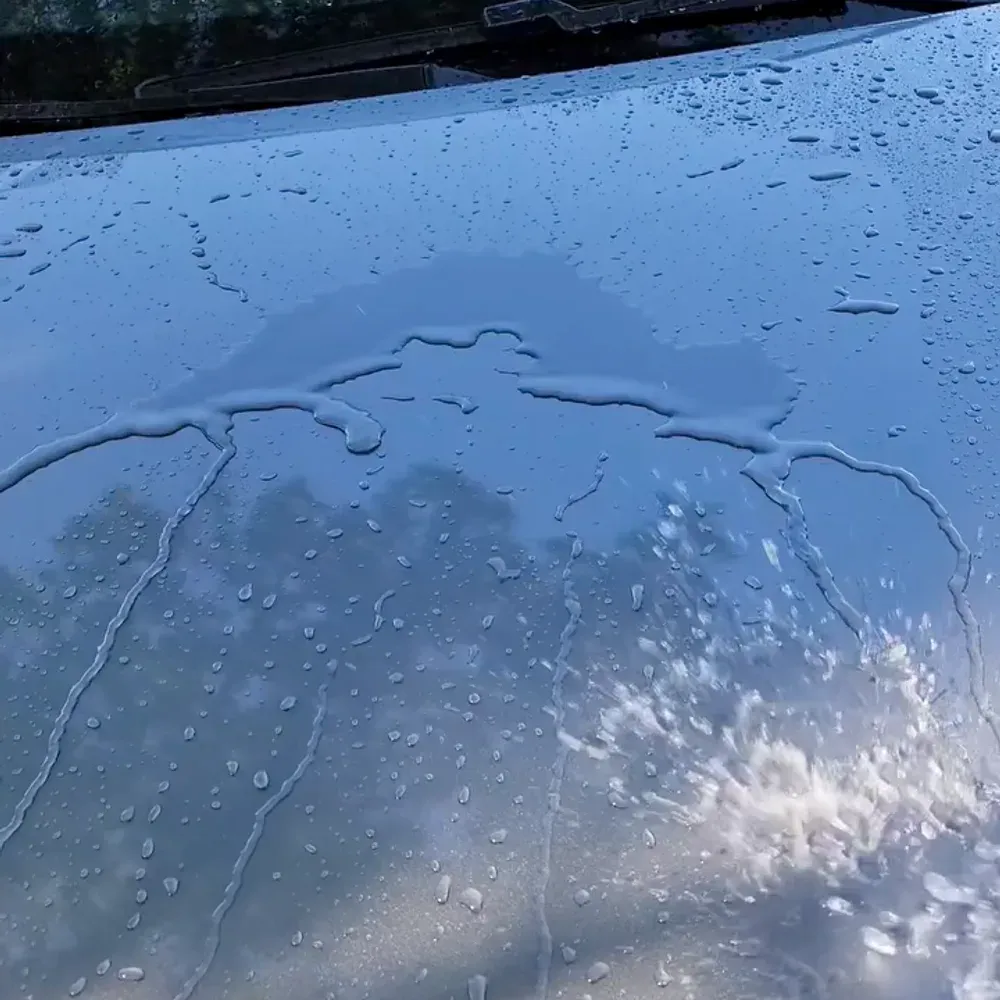
Reno winters do more damage to vehicles than Reno summers do, and almost nobody plans for it. The high desert sun is a slow problem you can see coming. Road de-icer is a fast one that works on surfaces you never look at.
Brine Is Worse Than Rock Salt
Nevada roads get treated with salt and liquid brine mixtures before and during storms. The liquid is the part that causes trouble.
Dry rock salt largely bounces and blows off a moving vehicle. Brine is sprayed as a solution, so it wets every surface it reaches and then dries into a film that stays bonded to the paint, the wheels and everything underneath.
That film is hygroscopic, meaning it pulls moisture out of the air. Your car can be parked in a dry garage three days after the storm and the de-icer on it is still damp and still working. This is why a vehicle that only saw treated road once can show corrosion months later.
What It Does to Paint
On a protected surface, de-icer sits on top of the protection and rinses away. On an unprotected one it goes to work on the clear coat.
Salt accelerates oxidation. Where the clear coat is already thin, already swirled from tunnel washes, or already chipped, it gets underneath and lifts from the edges. Around wheel arches and rocker panels, where road spray hits hardest, that is exactly where paint failure starts.
The problem is that standard carnauba wax does not survive this. De-icing chemicals strip it in weeks. So a car waxed in October is running unprotected through January, which is precisely backwards.
The Damage You Cannot See Is the Expensive One
Paint is the visible problem. The underbody is the costly one.
Brake and fuel lines, subframe seams, suspension components, exhaust hangers and fasteners all collect de-icer spray and hold it in places that never dry and never get washed. Corrosion there is not cosmetic. Seized fasteners turn a routine repair into a much larger one, and corroded brake lines are a safety item.
This is why any winter wash worth paying for includes a dedicated underbody rinse. Washing the panels and ignoring what is above the pavement misses where the money is.
Protection Has to Go On Before the First Storm
The sequence matters, and getting it backwards wastes the work entirely.
Protection is applied to clean, decontaminated paint. If you coat or seal a vehicle that already has a winter of brine film bonded to it, you have sealed the contamination against the clear coat for as long as the protection lasts.
The right time is autumn, before the first treated road. Decontaminate, correct anything that needs correcting, then protect. A ceramic coating is the strongest option here specifically because it does not wash off the way wax does, so it is still working in February.
Winter Wash Discipline
Through the winter the routine is simple and it is not negotiable if you want the vehicle to come out the other side clean.
Wash every two weeks. Wash after every trip on treated road, whether that is a Tahoe run, Mount Rose or just the freeway during a storm cycle. Include the underbody every time.
Wash at midday when the temperature is above freezing, and dry properly rather than letting water sit in door seals, locks and badge edges. Forced air is ideal for exactly this. If you cannot do it yourself in the cold, that is a good reason to have someone come to you.
Frequently Asked Questions
How often should I wash my car in winter in Reno?
Every two weeks at minimum, and always after driving treated roads to Tahoe or over Mount Rose. The goal is to remove de-icer before it has time to sit and work on the surface.
Does road salt actually damage paint, or only metal?
Both. On paint it accelerates oxidation and etches into any surface where the protective layer has been stripped. On bare and coated metal underneath the car it drives corrosion, which is the more expensive of the two problems.
Will a ceramic coating stop winter damage?
It gives de-icers a hard, non-porous surface to sit on instead of open clear coat, and it does not wash off the way wax does. You still need to remove the contamination, but the coating buys you time and makes the wash far more effective.
Is it worth washing in freezing weather?
Yes, provided the vehicle can dry properly afterward. Washing at midday when it is above freezing, and drying with forced air rather than leaving water in the seals and locks, avoids the problems people worry about.
What about the underbody?
It matters more than the paint. Any winter wash worth doing includes a dedicated underbody rinse to flush de-icer out of the areas you never see.